
Understanding the Energy Body: Exploring the Spiritual Essence Within
Take a deep dive into the energy body, also called the etheric body. How do shamans view and work with the energy body? What is the aura? How do you begin to do energy body work.
In this post, we will delve into the concept of the energy body, also known as the etheric body, and its importance in spiritual practices. We will explore different perspectives on the energy body and its connection to the aura and other terms used to describe it, such as the Norse hamr. The energy body is a vital component of our spiritual selves, closely intertwined with our physical bodies. From a shamanic point of view, it is seen as a middle-world element that is active during our lifetime. Throughout this post, we will also provide pointers for those interested in energy bodywork, offering insights and techniques to enhance their understanding and connection to this profound aspect of our being. Get ready to embark on a journey of self-discovery as we navigate the depths of the energy body and unlock the spiritual essence that lies within.
Understanding Your Energy Body
Why is the Energy Body Important?

The concept of the energy body is foundational in many spiritual traditions. It's considered the blueprint for our physical form, a layer of existence that holds vital life force or qi. This subtle energy field interacts with our physical body, influencing our health, emotions, and spiritual well-being. Understanding and working with the energy body can promote healing, balance, and personal growth.
The importance of the energy body lies in its role as a communicator between our inner and outer worlds. It is a bridge that connects our conscious and subconscious minds, impacting how we perceive and respond to reality. Energy body work, therefore, can be a powerful tool for transformation, providing pathways to deeper self-awareness and an enhanced sense of connection with the universe. By nurturing our energy body, we lay the groundwork for a harmonious physical and spiritual life.
Different Names for the Energy Body
The energy body is known by various names across different cultures and spiritual practices, each reflecting a unique understanding of this subtle entity. In yoga, it is often called the "pranamaya kosha," which translates to the sheath made of life force energy. In traditional Chinese medicine, it's associated with "qi" or "chi," the vital force that flows through the meridians.
Amongst those who follow shamanism, the energy body might be called the "luminous energy field," signifying its radiant quality. In Norse tradition, it is known as "harm," a concept that signifies an individual's overall health and spiritual aura. These diverse terms highlight the universal recognition of the energy body's significance and the common belief in its influence on our health and spiritual journey. Understanding the various names and concepts deepens our appreciation for the energy body's role in our holistic well-being.
Exploring the Spiritual Side
The Energy Body and Our Physical Connection
The energy body is more than a spiritual concept; it has a tangible connection to our physical presence. It is the intermediary between our material form and our spiritual essence. The health of our energy body directly influences our physical condition, as blockages or imbalances can manifest as illness or discomfort.
By aligning and harmonizing our energy body through meditation, breathwork, or energy body work, we can often see a positive effect on our physical health. This connection is recognized in the holistic approach to healing, where the goal is to treat the whole person, not just the symptoms. Understanding this connection can empower individuals to take an active role in their wellness journey, fostering a sense of agency over their physical and spiritual well-being. It is a symbiotic relationship, where nurturing one aspect benefits the other.
Different Views on the Energy Body and Aura

Although closely related, the energy body and the aura are viewed differently across spiritual traditions. Some see the aura as a colorful emanation of the energy body, a visual representation of one's spiritual and emotional states. Others regard the aura as a separate yet interrelated field that surrounds and protects the energy body.
In modern metaphysical thought, the aura is often understood as a multi-layered sphere of energy that reflects the complexity of human consciousness. It contains colors and patterns that can be interpreted to reveal insights about an individual's personality, health, and spiritual development. Energy body work is believed to affect the aura, potentially cleaning, strengthening, and harmonizing its appearance. These varying perspectives underscore the multifaceted nature of our spiritual anatomy and encourage an open-minded approach to understanding the subtle realms of our existence.
Shamanic Interpretation of the Energy Body
The Middle-World Component: Shamanic Insights

In shamanism, the energy body is often viewed as a critical component of the middle world, the realm that bridges the upper and lower spiritual worlds with our earthly existence. This differs from the soul body, which carries our consciousness across different planes of existence. It is both a receiver and transmitter of spiritual energy, playing a key role in rituals and healing practices.
Shamans work with the energy body to facilitate healing, restore balance, and remove energetic blockages. They gain insights into an individual's energy body through journeying, drumming, and other shamanic practices. This knowledge allows them to guide healing energy where it's needed most. For shamans, the health of the energy body is pivotal for maintaining a harmonious connection between the physical world and the spiritual realms, ensuring overall well-being.
Bringing Spirituality Closer to Home
Shamanic practices regarding the energy body are not just ancient traditions but are also relevant to our modern lives. They bring spirituality into the personal realm, making it accessible and practical. By acknowledging the energy body, individuals can experience life more fully, with a deeper sense of connection to both the physical and spiritual worlds.
Shamanic teachings offer tools and rituals that anyone can integrate into their daily routine to maintain the wellness of their energy body. Simple practices such as grounding, setting intentions, and using visualization techniques can help strengthen one's spiritual connection. This makes the profound benefits of shamanism more attainable for those who may not have the time or resources to engage in more intensive study or retreats. Ultimately, shamanism invites us to recognize that the sacred is all around us, and by nurturing our energy body, we bring a sense of the divine into our everyday lives.
Energy Bodywork For Beginners
The Basics of Energy Body work
Energy body work is a practice that involves engaging with the body’s subtle energy systems to promote healing and balance. For beginners, understanding the basics is essential. It starts with recognizing the presence of the energy body and its points of interaction with the physical body, often aligned with chakra or meridian systems.
An introductory practice might include learning to sense or visualize the energy body. This can be done through meditation, focusing on energy flow within and around the physical form. Another basic technique is grounding, which helps to stabilize your energy by connecting with the earth's energy.
Breathwork is also fundamental to energy body work, as conscious breathing can help control energy flow and clear blockages. These practices lay the foundation for more advanced techniques, as a starting point for anyone looking to explore the benefits of energy body work.
Practical Pointers for Energy Body work
When embarking on the path of energy body work, there are practical pointers that can ease the journey for beginners. First, consistency is key. Daily practices, even if brief, can significantly impact the energy body's health and your overall sense of well-being. Allocate a few minutes daily to meditation or breathwork to maintain and balance your energy levels.
Secondly, cultivate an environment that supports relaxation and focus. This could be a special corner in your home with items that promote peace, such as candles, incense, or calming images. Thirdly, hydration is crucial; water is a conductor of energy, and staying hydrated helps facilitate energy flow through the body.
Finally, keep a journal to note any sensations, emotions, or experiences during your energy work. This helps track progress and patterns, providing insights into your energy body's language. Remember, patience and gentleness with yourself are important as you learn and grow in your practice.

Shamanity: A New Shamanic Community for Connection and Growth
Learn all about Shamanity, how to connect with a community of like-minded people, and support in your spiritual journey. This is the place to be if you're into shamanism or are new to it.
You're looking for an online community where you can share your experiences with shamanism. But most forums are too technical or don't have enough people practicing shamanism in them. Social media is full of toxic trolls and fighting and is cluttered with ads.
Imagine having an online community where you can share your experiences with shamanism and learn new ways to deepen your connection to the world around you! Shamanity is a place where we support each other by sharing our personal journeys, socializing together, learning from each other’s experiences, and meeting new friends who also practice shamanism

Shamanity is an online community dedicated to shamanism and the growth of all who practice it. You'll find live journey circles, weekly social gatherings, and lots of support here. It's the perfect place to learn new things about shamanism and connect with like-minded people. Come join us today!
Introducing the new online shamanic community
Shamanism is a spiritual practice that helps us connect to the world around us. It's a way of life that helps you feel more connected and at peace with yourself, others, and nature.
If you are a person who practices shamanism or, at least, knows how to journey - Shamanity is your shamanic community. Shamanity was founded by shamanic practitioners and teachers to create the tribe that so many of us have been missing.
After: Imagine having an online community where you can share your experiences with shamanism and learn new ways to deepen your connection to the world around you! Shamanity is a place where we support each other by sharing our personal journeys, socializing together, learning from each other’s experiences, and meeting new friends who also practice shamanism
Our members are from all over the world, and we are bound together by the practice of shamanism. In shamanism, we believe that everything is connected, and so are we.
We gather to practice together, share experiences, and learn new ways to practice.
How this shamanic community works
We host the community online, away from all the toxicity of the big social media sites. You can access the community on your mobile device, tablet, or computer.
We hold multiple live events weekly that you are welcome to join. One of these is a journey circle where one of the hosts will lead you through an enriching journey experience and give you time to share with others as you choose.
Unlike a course, there is nothing that is mandatory. You can do everything - all the live events, social gatherings, and exercises. But there is no pressure, you can take a break when you want, and you won't miss anything.
We post recordings of our live journey circles, so you can access those any time.
What are the benefits of joining the community?
When you join the shamanic community, you have access to live journey circles, weekly social gatherings, spiritual exercises to practice, and more. It's all about support and individual spiritual growth, and you can participate as little or as much as you like.
Your safety is critical to us. Many of our members were tired of the spamming, fighting, toxicity, and ads on social media. We have removed all of that in order to create a positive and supportive environment that allows us to connect.
Feel free to be who you are and feel supported by like-minded people practicing shamanism.
Learn new ways to practice, share experiences, and grow together.
Just some things that make this community unique
A safe space to learn and grow in your shamanic practice
A supportive community of shamanic practitioners from all over the world
Live shamanic journeys and social gatherings led by experienced shamanic teachers
24/7 access on your computer, tablet, or mobile phone
Weekly prompts for more practice, self-care, and spiritual growth.
Some common Questions About Shamanity - Your Shamanic Community
Here are a few of the most frequently asked questions about our new shamanic group:
What's the best thing about being in a shamanic community?
Personally, I love the live events. Any time I get a chance to connect with others and practice together, I do! It helps me to feel really connected, and the conversations are amazing. I always learn something new.
What if I'm not sure shamanism is for me?
That's okay! There are lots of people in our community who are just exploring shamanism and trying it out. You can participate as little or as much as you like, and there's no pressure to do anything you're not comfortable with.
The only requirement we have is that you already know how to perform a shamanic journey. That is shamanism 101, and this group is for people who already have that skill.
You do not have to be a professional shamanic practitioner or have a healing practice to join. Some of our members do, but most do not. We welcome everyone no matter where they are in their practice.
Do you think it's important to have a shamanic community?
Absolutely, yes.
When I was training in shamanism, I would become part of a "training circle" of 10-20 people working together. Some of these people are dear friends I've had for ages. I really looked forward to time with "my tribe."
Human beings are social creatures. We bond easily, particularly over things we have in common - hobbies, family, spirituality. A shamanic community can provide support, friendship, and a sense of belonging.
It's also nice to have people to talk to about shamanism! When you're the only shaman in your family or friend group, it can be isolating. In our shamanic community, you can share experiences, ask questions, and feel supported by like-minded people
What are your thoughts on the power of community in shamanism?
When any group of people works together on a common cause, they share and increase their power. In spiritual communities, this is even more evident.
There is a synergy when people gather to practice shamanism together. The whole is greater than the sum of the parts. For individuals, journeying as part of a group can be very intense, like riding a wave of consciousness.
While it's important for practitioners to journey regularly on their own, a group practice is a way to learn new things and experience a greater spiritual depth.
How do I join the community and take advantage of all its benefits?
Have you ever wished there was a community of shamanic practitioners closer to you, where you could connect with others and learn more about this path? This new online community is perfect for shamanic connection and growth. Whether you're just starting out on your shamanic path or have been walking it for years, Shamanitty has something to offer everyone. Come check us out today!

New Book Announcement
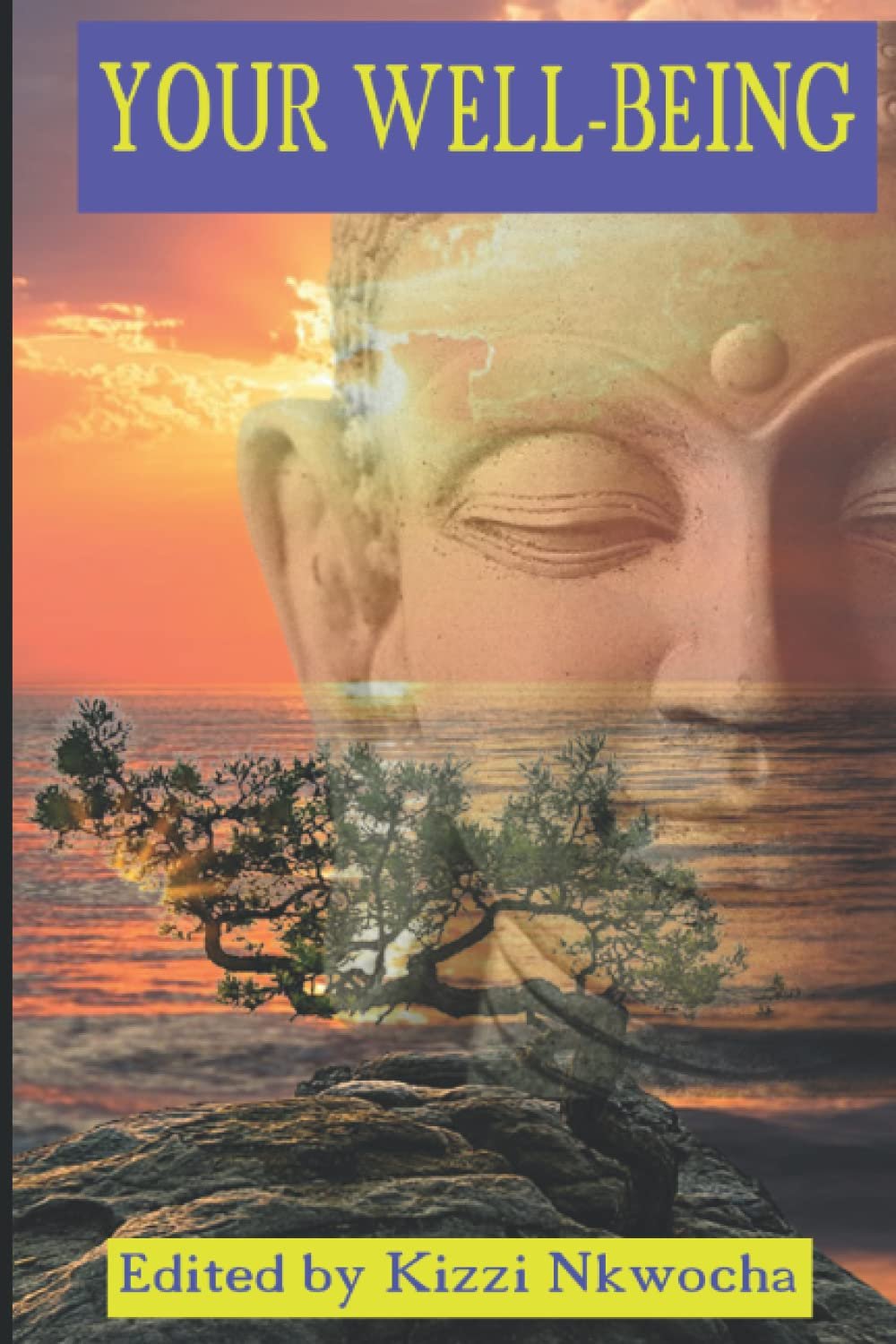
I am very happy to announce that a book I contributed to has just been published by Athena Publishing and edited by Kizzi Nkwocha. It is available on Amazon or just about anywhere else where you can purchase books.
The chapter I contributed is all about making a deep spiritual connection in your romantic relationships. I am very pleased to contribute this to a book on well being. Relationships are important to our mental, physical, and spiritual health.
I am also proud to be included in a book with so many amazing experts.
How does shamanic healing work?
The shaman's role has been crucial in most Aboriginal cultures for thousands of years. They serve as spiritual and cultural leaders and teachers. The shaman often has the power to heal and perform spiritual rituals, such as healing people, animals, or objects. The shaman communicates with the spirit world, communes with ancestors of the tribe to help bring positive change into their lives.
Some shamanic practitioners today, who may not be part of indigenous culture, heal using standard tools common to all shamanic cultures. Some refer to this set of tools as core shamanism. Anthropologists studying various cultures, from the tribes of South America to Australian Aborigines in the mid 20th century, found that shamans everywhere were using a lot of the same tools.
What is shamanic healing?
Shamanic healing is the oldest of all spiritual healing modalities. It was practiced by our ancestors for millennia, going back to prehistoric times. It is the power of the mind, spirit, and body working together to restore balance. Shamanic healing uses tools that are common to all shamanic cultures. These include drumming, chanting, dancing, fasting, and other rituals to bring about a sense of wholeness in oneself.
What is core shamanism?
Shamanic practices often include specific tools that are common to all shamanic cultures. Anyone who wants to develop a relationship with the spirit world can use these tools. These tools help you communicate with spirits and understand your role in this universe. A shamanic practitioner who wants to be a competent healer will undergo a significant amount of training over many years.
Shamanic Journeying
The primary shamanic tool is the shamanic journey. When a shamanic practitioner journeys, they enter into a trance state, journeys out of the body to other realms of reality, and works with helping spirits. This is in contrast to most forms of meditation which might include trance states but usually do not include out-of-body travel or direct communication with spirits.
Shamanic Worlds
Shamans recognize three different spiritual worlds. The first spiritual realm is called the middle world, the spiritual aspect of the physical world. The second spiritual world, or lower world, is a place that is very natural and filled with plants and animals. The third is the upper world which is much more ethereal and filled with human, human-like, and mythical beings.
A practitioner will travel in one or more of these worlds during a shamanic journey.
Helping Spirits
Shamans always work in conjunction with helping spirits. Some people use the term spirit guides, but this is misleading. Not all helping spirits act as guides. Some do act as teachers.
Most people are somewhat familiar with the term power animal. A power animal is one type of helping spirit. A power animal is one of many animal spirits that have volunteered to work with a person for healing, power, or learning.
How do the shamans of different cultures heal?
The way that shamans heal varies from culture to culture. In many cultures, the shaman heals through prayer and ceremony. Shamans will sing, pray, chant or dance to bring healing energy into their bodies. They may also use objects such as sacred drums or rattles, which are used in healing ceremonies.

All shamans utilize altered states of consciousness for healing. Most cultures use rhythmic methods to access the state necessary for journeying. Shamans can achieve trance through drumming, chanting, or dancing. Some cultures use psychedelic plants or mushrooms referred to as plant medicine.
There are many different types of plant medicine, including psilocybin mushrooms, peyote, fly agaric mushrooms, and ayahuasca.
What is ayahuasca?
I mention ayahuasca here because it is a topic of great interest. Some people think that shamanism is synonymous with the use of “aya”. I do not use it, nor do I lead ayahuasca. It’s possession and use would be illegal in Maine.
Ayahuasca is a plant medicine used by people indigenous to Peru and other parts of the Amazon Basin. It is comprised of two different plants. One plant contains DMT, a highly hallucinogenic compound. DMT breaks down in the stomach, so the second plant has an MAOI inhibitor to allow DMT to pass through the digestive tract.
Ayahuasca "trips" can last for hours, during which people report hallucinations and purging through diarrhea and vomiting. There is no antidote. Once you buy the ticket, there's no getting off the train.
Recently ayahuasca tourism has become very popular, and many people are illegally importing the plants into other countries. Ayahuasca can be a hazardous drug as it can lead to serotonin syndrome and even death. I respect indigenous medicine entirely, but, from a shamanic perspective, it isn't necessary for journeying. When taken out of context and administered by untrained people, any plant medicine can be dangerous.
What are some of the spiritual rituals that a shamanic practitioner might perform?
There are a wide variety of healing rituals and ceremonies shamanic practitioners might choose from depending on the client's needs. The shamanic practitioner may use drumming, chanting, dancing, and healing practices to help the client feel better. A shamanic practitioner will always do a journey to diagnose or assess the spiritual roots of illness.
Anyone practicing shamanism to heal others has undergone a long period of shamanic training. A few of the ceremonies a shamanic healer might perform rituals include power animal retrieval, extraction, or soul retrieval. These address the client's spirit to aid in their natural healing process. With physical illness, a shaman may undo spiritual blockages to a person's healing ability. A shaman is a spiritual healer and not usually a licensed medical provider (though I know some doctors who practice shamanism).
Power animal retrieval
A power animal retrieval is a type of healing journey to connect the client to their power animal. Power animals are spirits that guide and protect humans in many aspects of life. These are individual spirits with whom a client can develop a relationship. Shamans often perform power animal retrieval to restore a client's power or protect them before surgery or childbirth.
Shamanic extraction ceremony
Shamanic extraction is a healing ceremony in which a shaman removes a blockage from the client's energy system. These blockages are called intrusions. Intrusive energy get's stuck in the client's energy body and should be removed to restore proper function. Shamans perform this ceremony to heal a client by re-establishing balance in their energy system.
Soul retrieval
Soul retrieval is a healing journey in which a shaman journeys into the spirit world to retrieve a lost part of a person's soul body. This part, or essence, is often lost via trauma or shock. The shamanic healer performs this journey to aid in the healing process by helping clients regain lost essence. Soul retrieval requires specialized training and is one of the most common ceremonies performed.
How significant a role does intuition play in shamanic healing?
People who receive a calling to go through initiation and partake in shamanic studies are usually already intuitive. As a practitioner is initiated by spirit and learns to be a good healer, their intuition will increase. Once they are trained and become proficient in their craft, a shaman's intuitive abilities will help them see better what spirit is trying to communicate.
Intuition does play a significant role in shamanic practice, but in an extraordinary way. A primary goal of training is for the person to become what's called the hollow bone. A physical hollow bone allows things to pass through it unimpeded. When a shamanic practitioner becomes the hollow bone, they remove obstacles to a clear spirit channel. The intuition is sharpened by being able to communicate better with helping spirits.
How does shamanic healing help your body heal from physical illness, emotional trauma, or spiritual blockages?
Shamanic healing addresses the spiritual component of physical illness. Just as people have physical bodies, they also have minds and spirits. These different parts of each person interact and affect each other. For example, many studies show the effect of mind and body healing approaches. The mind can heal the body. The human spirit can also affect the body and mind.
Addressing the spiritual components of health allows the body or mind to heal naturally. When combined with allopathic medicine, or traditional mental health therapies, shamanism offers a powerful complementary modality. Shamanism is ideal in caring for conditions that have a spiritual origin.
Shamanic healing is particularly effective in working with trauma. For thousands of years, shamans have been performing soul retrieval to heal the fractured self.
Does shamanic healing work?
In a word, yes. I fully believe in the healing power of shamanism. I lve symptom-free from an "incurable" condition and have for years. Many of my clients get significant relief during and after sessions. I know people who have had miraculous healing as the result of shamanic work. There is also growing scientific evidence about the power of shamanic healing, but more work needs to be done.
We know that, even in studies of allopathic medicine, a person's belief system plays a big part in their healing. If you believe that shamanic healing is valid, then your mind will instruct your body to heal after a shamanic practitioner returns or unblocks the spirit's healing ability. If you believe that it doesn't work, you may suffer from the nocebo effect - where expectations create illness.
If you have a shamanic extraction ceremony done to help with healing from open heart surgery and then go out and eat three double cheeseburgers and walk around in a building full of angry people - you can undo some of the work.
Many people expect sudden and miraculous healing during a healing session. Sometimes that happens, but not most of the time. Again, shamanic healing works by creating spiritual conditions that are conducive to healing. Though most people feel some relief during a session, there is usually an integration period.
If you break your arm and go to the hospital, they will put a cast on you. The cast doesn't fix your arm, but it creates a condition that allows the bone to mend. Shamanic healing is a lot like that, and it returns the power for self-healing to take place. It can bolster your spiritual immune system and help return you to wholeness.
What's going on in the spirit realm during shamanic healing?

While spirit is essentially formless, it can be helpful to think of human beings as having multiple bodies - like Russian nesting dolls. You know you have a physical body. If you're a person who can see auras or know about them, this is part of the etheric or energy body. You also have a soul, or astral body, and a spirit body. The astral and spirit bodies are even more formless than the energy body. There are many more bodies, but these are the essentials.
The etheric or energy body
If you've done reiki, acupuncture, or Tai Chi, you have worked with the energy body. The etheric body is closest to the physical body, so they interact a lot. Acupuncture works on meridians which are energy channels the run through the body. Yoga also works with these subtle channels of energy.
Their etheric body is complex with its meridians and organs, and vessels. It can also be divided into two significant components. The etheric double occupies the same space of the body but extends a couple of inches in every direction. It has roughly the body's shape and appears a little more solid to people who can see auras. Then there is the aura, the field that extends from a few feet to a few dozen feet from the body.
Some shamanic techniques work at the level of the energy body. Extraction is the most common. With extraction, a shamanic practitioner removes unwanted energy stuck in a client's energy field - aura and perhaps etheric double. Removing this blocked energy allows the etheric body to function properly - which is critical for good health.
The astral or soul body
The astral body is more formless than the etheric body, and it exists on a plane a bit farther away from the physical body. Shamanic healers call it the soul body. During a journey, the shamanic practitioner splits off a bit of their soul body, which can travel consciously through nonordinary reality.
One of the ways shamanic healing is different from energy healing is that some techniques work directly to heal the soul body. A very common ceremony is called soul retrieval. When you experience a shocking or traumatic event, a part of your soul may leave your body temporarily to retreat to safety. If this part gets stuck and doesn't return right away, we call this soul loss. Soul retrieval returns the lost essence.
Frequently, shamanic healing can help anxiety, depression, even addiction through astral body work.
Is shamanic healing suitable for me?
I believe all people could benefit from shamanic healing work if they are open to it. Every person I have ever met has some level of soul loss resulting from life's traumas. I have used shamanism to heal my PTSD, which comes from severe soul loss.
First, you must seek out modern conventional medical or therapeutic assistance for any mental or physical illness. Shamanic healing works well in conjunction with modern practices, and you should do everything you can to take care of any issues. Shamanic care is not a replacement for your doctor.
The shamanic worldview is animism - the belief that all things have spirits. If this doesn't work with your religious practices or belief system, you may have difficulty accepting spiritual healing. I do not believe there's anything wrong with witchcraft; some of my closest friends are witches. But some belief systems might mistake shamanism for a forbidden form of witchcraft. If you held that belief, you probably would not be reading this, though.
Anthropologists and religious scholars will point out that the roots of Christianity and other formal systems of spirituality have shamanic roots. I don't believe that shamanism is incompatible with other religions. It isn't religion itself. It has no sacred books, or hierarchy of clergy, or central governing body.
To summarise, first seek medical attention for your illness. Then, think about if shamanic healing plays well with your beliefs. Finally, have a conversation with a practitioner and get all your questions answered. Only you can decide if it is right for you.
I just booked a Shamanic Healing Session; what should I expect?
First, don't expect to heal in one session completely. It can happen, but it usually takes time, depending on the issues worked on. Shamanic healing is more about restoring energy and balance than it is about magic wands that you can wave over someone's head and cure instantly.
Each practitioner will work differently, but a typical healing session will consist of a diagnostic journey followed by more healing ceremonies. The exact rituals will depend on the work the practitioner's helping spirits have directed.
Some clients will feel a sense of instant relief. For others, it may take some time before they realize the full effect of the session. Frequently the healer will suggest some integration work the client should realize the full impact of the session.
Conclusion
To summarise, shamanic healing works on a client's spiritual body to create favorable conditions for healing. The shaman acts as a conduit for helping spirits to do the work. A session might consist of many different types of ceremonies, and all practitioners work in slightly different ways. A client can expect to experience shifts during a session, but the full results of the healing will become evident with time.
If you would like to have a healing session with me - click here to get started.

I Can't Visualize, Can I Still Learn Shamanic Journeying
Over the past few years, I have taught many people to perform a shamanic journey. One thing I have noticed is that every single person’s experience in journey is completely unique. Some people experience full sensory immersion - sights, sounds, smells. Others see vague pictures or symbols. A few see nothing at all. In my experience, everybody can learn to journey.
Once in a while, I encounter someone who says that they can’t form any pictures in their imagination and they worry about being able to journey. There is a condition if you want to call it that, called aphantasia, which is the inability to form mental pictures. It’s somewhat rare, affecting around 2% of the population. MRI research shows that, when someone with aphantasia is asked to picture something, the visual cortex does not light up.
Aphantasia can present challenges for people in certain tasks - like recognizing faces. However, I do not believe it needs to be a barrier to journeying at all.
In my experience, complete aphantasia is rare. The majority of people I encounter who say they can’t visualize can visualize to some degree. Their pictures may be somewhat unclear, but this is fine. The ability to visualize vividly exists to differing degrees in different people. There is an online quiz called the Vividness of Visual Imagery Questionnaire which will give you an idea where you are.
People who can’t visualize at all usually find that they either adapt naturally to challenging tasks or find novel strategies to succeed. I know practitioners with complete aphantasia who are extremely successful at journeying. They get information through a knowing, or through other sensations like sound of feel.
When learning to journey, it is always good advice to let go of expectations. Get blocked or frustrated because the experience wasn’t what you’d thought it would be isn’t helpful. The best advice I can give is tot surrender to the experience, no matter what it is. Everything that happens is valuable.
Imagine a friend invites you to a concert. You thought she meant a rock concert, but when you get there it’s a classical orchestra. If you spend the whole concert angry or frustrated because it wasn’t what you expected, you’ll miss all of that beautiful music. But if you accept, surrender, let what is be just as it is, you can have an amazing experience.

What is a wounded healer?
You may have heard the term wounded healer before, particularly in relationship to shamanism. It’s fair to wonder what that team means. The following is my own explanation but comes from my experience in shamanic healing of others and myself.
The wounded healer is an archetype, a thoughtform. The idea is that in being wounded, healing capabilities are opened up. I find this to be true for me and many others, and this post will explain how that works.
Traditional Shamans
In many indigenous cultures, where shamanism is still practiced, those fulfilling the role of a shaman are chosen, and not self selected. One thing that is very common is that those selected have been through some kind of serious trauma.
This trauma, might be physical, like a life-threatening illness, or even an emotional trauma. There are cultures where certain mental illnesses, as defined by Western medicine, would be seen as the beginnings of a path as a healer or prophet.
There are even stories of cultures in South America where being struck by lightning is a prerequisite for being chosen as a shaman.
Other cultures put potential shamans through ordeals - like vision quests, exposure to physical extremes, or lengthy and dangerous trials.
All of these things, whether chosen trials or involuntary traumas are initiations. I’ll speak more about initiation in a moment.
Modern Shamanism
There is no governing body of shamans in the modern world. Literally anyone could read a book on shamanism and call themselves a shaman. I’ll note that, in my tradition, one does not call oneself a shaman.
Most people I know who are shamanic healers, have years or decades of training and apprenticeship, however. But people generally self-select roles and aren’t assigned them. Shamanic practitioners choose their path.
Most of the practitioners I know are wounded healers. Most have been through serious illness, near death experiences, or other serious traumas. In my own case, I had a foot amputated, and was diagnosed with PTSD later in life. I believe that the traumas I endured made me well suited for shamanism.
Initiation
To initiate is to begin. In the world of shamanism, all of life, and even death, is a series of initiations. We are always beginning something. When we go through severe difficulty, often it is preparing us psychologically and energetically for what comes next.
My own experience is with trauma. Modern psychology will say that one of the major symptoms of trauma is dissociation. It’s like part of the psyche breaks off to protect itself from what’s happening. This makes sense when experiences are too threatening or intense. Dissociation is a defense mechanism.
In shamanic terms, part of the soul escapes, in order to protect itself. If that piece of the soul does not return there is a splitting, a loss of energy, physical and psychological symptoms. We call that soul loss.
The main practice of a shaman is called a journey. In a journey, a shaman uses tools like drumming or sacred plants to induce trance. Once trance is induced, part of the soul departs to do the work in what we call non-ordinary reality (NOR).
I believe that early dissociative experiences can prepare potential shamanic healers for journeying. It’s like the soul has a looser hold on the parts. That being said, to be effective, a shaman must go through their own healing first.
When I teach journeying, if a student has trouble, often it’s the result of soul loss. A soul-retrieval ceremony can help.
It is in the wounding and healing process that we become energetically prepared for the work to help others.

Are you a shaman?
Do you call yourself a shaman, shamanic healer, shamanic practitioner? What's the difference?
If you were to ask me the question, "are you a shaman?" my answer would be, "I am a shamanic practitioner." Despite the fact that the domain name of my web site is Maine Shaman, I do not refer to myself as a shaman.
First, the word shaman comes from the word šaman, from the Tungus people in Siberia. It means "one who sees in the dark." Since I do not come from that culture, I don't appropriate the word.
The word shamanism, however, has been adopted in the West to encompass a set of spiritual practices common to the history of all cultures. What I do practice is called core shamanism. It is a modern, Western interpretation of cross-cultural spiritual practices.
Within the practice of core shamanism, there is a belief that the word "shaman" is a title which is conferred not adopted. It is given by the tribe or passed down generationally. It's considered by some to be arrogant or inappropriate for a westerner like myself to use the title "shaman."
Personally, I do not judge people who have adopted the title. It's not up to me to decide what is appropriate for anyone else. I have decided to honor my teachers, who do not call themselves shamans.
So shamanic practitoner seems appropriate, and I'll stick with it for now.